Call Us At +234 814 880 8304 Suite 007, Morom Plaza, Utako, Abuja

Retrofitting Existing Towers for Higher Loads

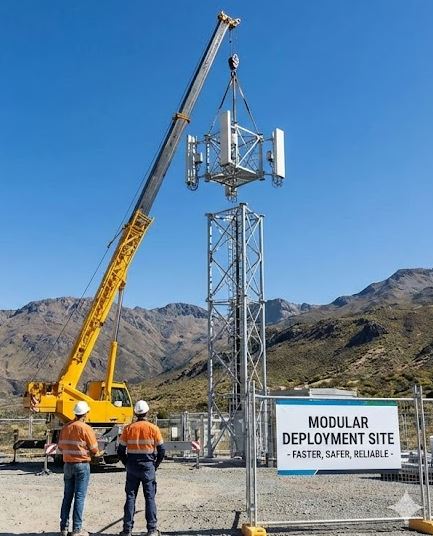
Retrofitting existing telecom towers has become increasingly important as operators expand capacity, introduce new technologies, and co-locate additional equipment on existing infrastructure. Many towers built years ago were not originally designed to carry today’s heavier antenna systems or multiple tenants, making structural upgrades essential for continued safe use. Before any retrofit can begin, a full structural assessment is required to understand the current condition of the tower, identify overstressed members, and evaluate how new loads will affect the overall system.
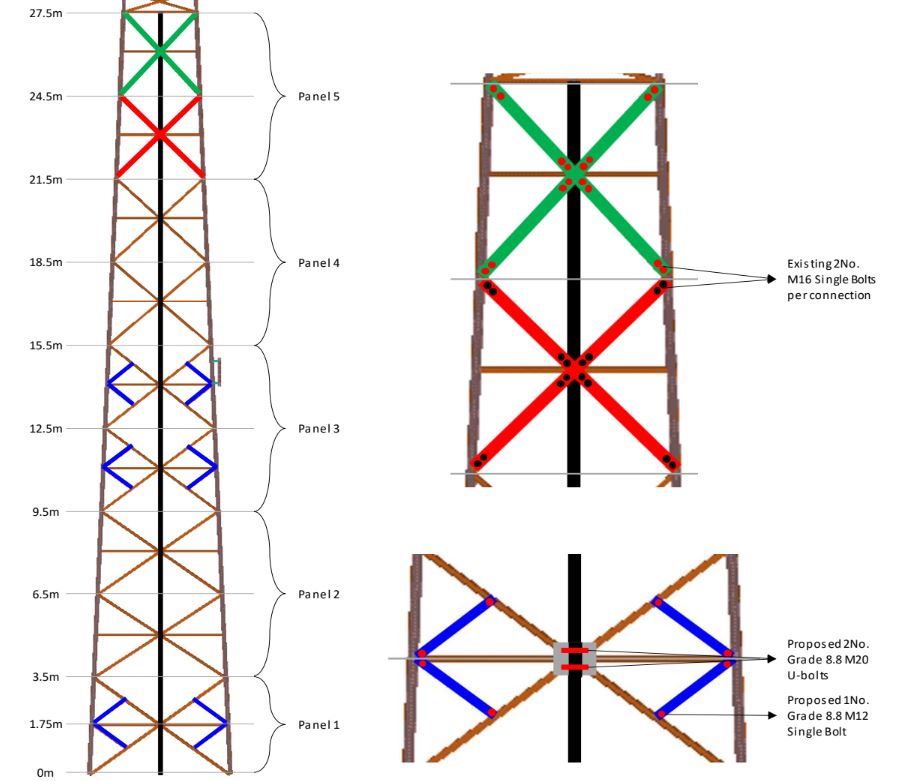
The retrofit process typically involves strengthening specific structural components, improving bracing systems, or enhancing foundations to accommodate higher loads safely. Engineers may add stiffeners, replace undersized members, install additional bracing, or reinforce connections to improve stiffness and reduce deflection. In some cases, the foundation may require upgrades such as enlarging the footing, adding micro-piles, or improving soil support. Each intervention must be based on detailed calculations and analysis to ensure that the upgrades improve capacity without creating new structural vulnerabilities.
Effective retrofitting not only prevents failures but also extends the life of existing towers, reducing the need for costly full replacements. It also enables telecom operators to deploy new technologies—such as 5G radios—quickly and efficiently. With proper engineering analysis and well-executed reinforcement strategies, old towers can safely support higher loads and continue to serve for many more years. This makes retrofitting a valuable investment for infrastructure owners looking to balance safety, performance, and long-term cost savings.
If you need expert assessment or a complete retrofit design tailored to your tower, contact us at Wes Amp Limited — we ensure safe, compliant, and cost-effective structural solutions for telecom infrastructure.