Call Us At +234 814 880 8304 Suite 007, Morom Plaza, Utako, Abuja

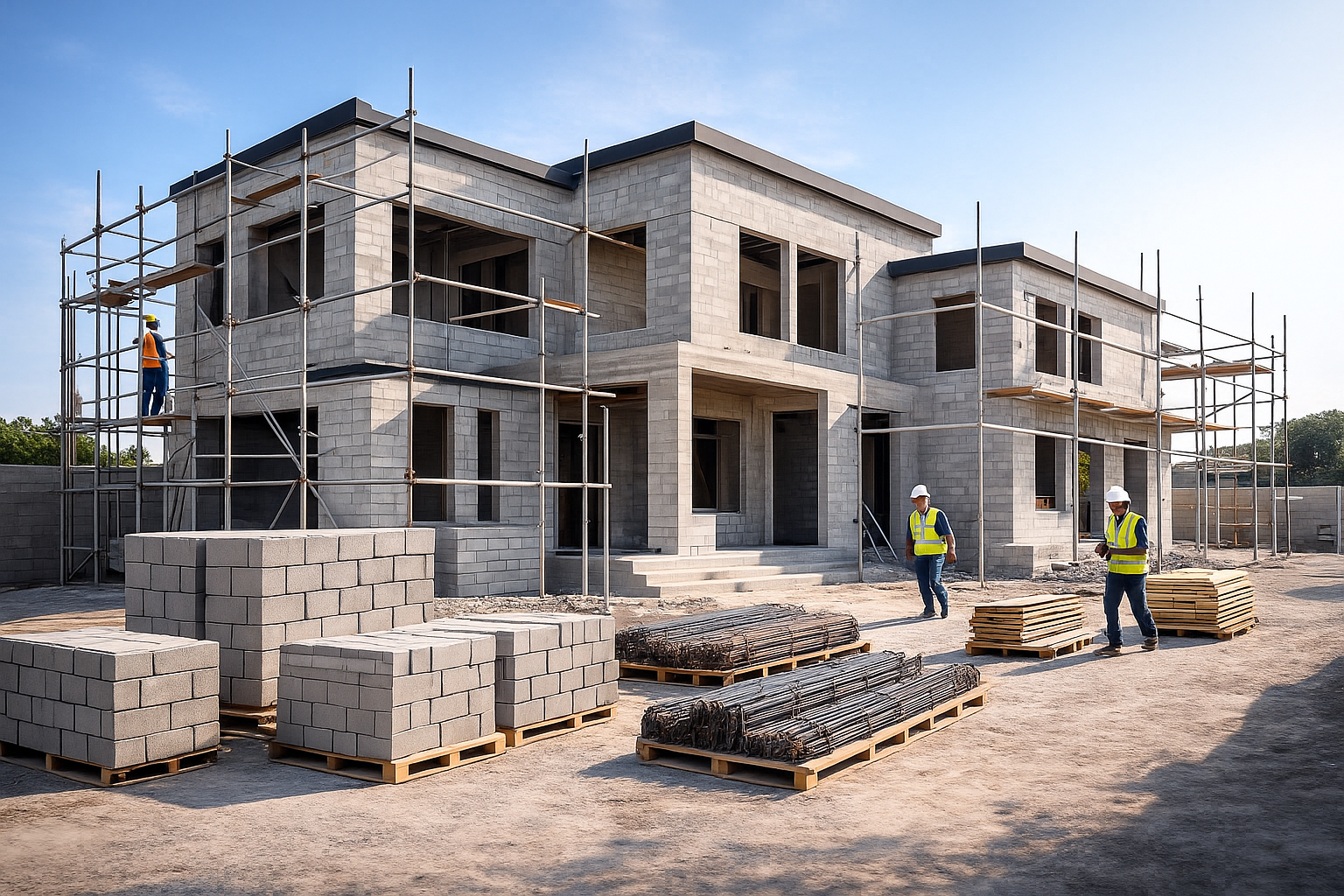
How to Plan a Realistic Construction Budget in Nigeria

Building a home in Nigeria is an exciting dream for many families, but one of the biggest challenges people face is sticking to a realistic construction budget. Prices of materials, labour, and even transportation can change quickly, making it easy for costs to rise unexpectedly.
The good news is this: with proper planning and the right information, you can create a budget that works—and avoid unnecessary financial stress during your building project.
This guide will show you simple steps to plan a realistic construction budget in Nigeria.
1. Understand What You Are Paying For
Many homeowners begin construction without knowing what the full cost includes. A proper budget should cover at its basic:
- Design and approval fees
- Site preparation
- Foundation
- Blockwork
- Slabs and Beam (if applicable)
- roofing
- Doors and windows
- Electrical and plumbing
- Finishing (tiles, paint, ceilings, wardrobes, kitchen, etc.)
- Labour
- Supervision and professional fees
Why this matters:
When you know all the components, you reduce the chances of surprise expenses later.
2. Get a Proper House Design and Bill of Quantities (BOQ)
A common mistake is starting construction without detailed drawings or a Bill of Quantities.
A BOQ helps you know:
- How much material you need
- Expected labour cost
- Total projected spending
This document helps prevent contractors from guessing prices or adding unnecessary items.
Tip:
Work with a qualified architect and structural engineer to avoid costly errors.
3. Research Current Prices in Your Area
Material costs vary widely across Nigeria. For example:
- Cement may be cheaper in Lagos than in Abuja
- Tiles may cost more in Port Harcourt due to transportation
- Labour rates differ between states
Before setting your budget:
- visit local building material markets
- ask recent builders
- compare suppliers
4. Include Contingency (Very Important)
Even the best budgets need a cushion.
Prices in Nigeria can change due to:
- Inflation
- Exchange rate fluctuations
- Fuel costs
- Material scarcity
A good rule is to include 10–20% contingency in your budget.
This extra allowance helps you stay on track if prices rise.
5. Prioritize Quality Over Cheap Options
Many Nigerian homeowners try to save money by choosing the cheapest materials or unqualified workers. Unfortunately, this often leads to:
- Repairs later
- Structural problems
- Poor finishes
- Safety issues
Paying a bit more for:
- good materials
- skilled labour
- proper supervision
can actually save you money in the long run.
6. Track Your Spending During Construction
A realistic budget only works if you monitor it.
Simple ways to track your spending include:
- Weekly expense lists
- Receipts for all purchases
- Checking materials delivered to site
- Asking for updates from your contractor or engineer
Frequently comparing all these with your initial financial and work plan helps you identify overspending early.
7. Avoid Frequent Design Changes
Changing your design during construction is one of the fastest ways to exceed your budget in Nigeria.
Why?
Because changes can lead to:
- Extra materials
- Additional labour
- Rework or demolition
- Delays
Try to finalize your design before starting work.
Final Thoughts
Planning a realistic construction budget in Nigeria is not just about reducing costs—it’s about being prepared and making smart decisions. With proper planning, professional guidance, and careful monitoring, you can build a beautiful and durable home without financial stress.
If you want professional support in preparing accurate construction budgets, structural designs, or BOQs tailored to Nigerian conditions, Wes Amp Limited can help you avoid costly mistakes and build confidently.
Contact Wes Amp Limited today to review your building plans, estimate your construction cost, and guide you through a smooth and successful project.
Your dream home deserves the right foundation—both structurally and financially.